

In a world that rewards doing, rest and recovery has become an act of quiet rebellion.
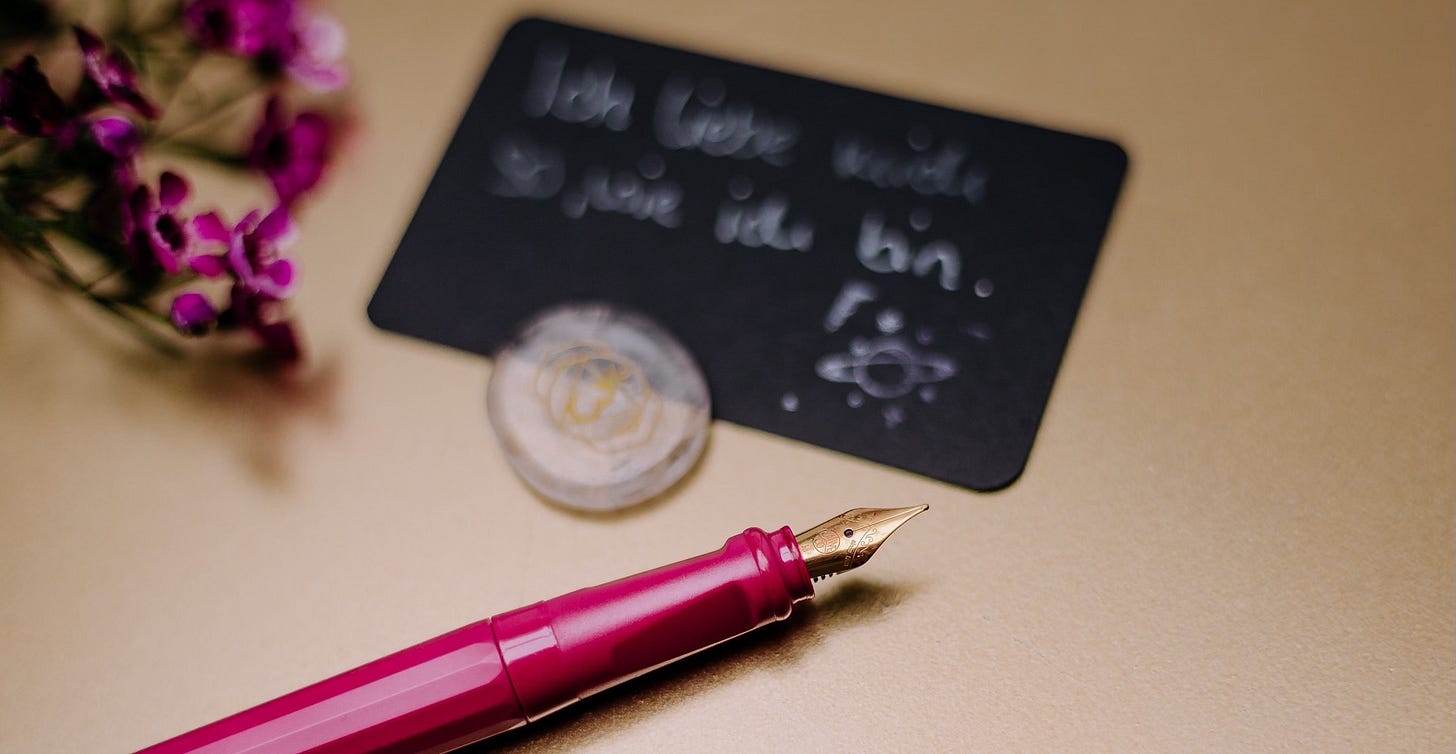
We rest to be productive again, to return stronger — rarely to simply be.
But what if rest isn’t a pit stop on the way to more doing?
What if it’s its own kind of wisdom — a teacher we keep trying to ignore?
Off-Tune Symphony
Everywhere I look, people — friends, family — are close to their limit.
Exhausted beyond what a good night’s sleep could repair.
Depleted by caring for a sick parent, making a living in an unstable world, navigating divorce, all while meeting an inhumane standard of performative living.
The symphony of life hums incessantly: tasks, thoughts, crises — all weaving a melody of exhaustion.
Every life I know swings between stretches of intense effort and moments of joy.
Balancing them often feels like navigating a tricky obstacle course. How much of that balance is truly in our hands?
Contrary to most of our upbringing, I was often reminded to rest.
Yet if I couldn’t — if I fell sick — there was, and still is, a layer of shame.
How could this happen? Why didn’t I take better care of myself?
For others, the voice of shame takes another shape:
“How could you allow yourself to be vulnerable? Shouldn’t you always be strong?”
Or: “How could you let illness slip past your guard?”
Dear reader,
what is your guilt story around sickness, and what accusations does your inner conductor throw at you?
Keeper of the Rhythm
For me, the shame lies in my claim to perfect balance — the image of myself as a flawless conductor, creating a life in harmony.
But it never adds up. Life is messy.
In the past two weeks, I helped one child move out and another move between flats.
I knew it would be physically and emotionally straining. I also knew I’d need a break afterward.
So my inner conductor planned two weeks of hard work, followed by a few days of rest.
Oh, the plans we make…
Midway through the move, I felt it: a cold creeping in, bones heavy, exhaustion arriving early.
My inner conductor bristled: “I mapped out this resting period perfectly, thank you very much. You don’t need to send me a cold. I can rest on my own, can’t I?”
But if resting were easy, wouldn’t we all do it more often?
My phone reminds me: “You are allowed to rest. Take a deep breath.”
It rarely says: “You are allowed to work.”
After all, productivity is our default.
The Neglected Melody of Rest
Almost everyone struggles to rest.
We are a culture of doers — our identity embedded in our deeds, our worth proven by performance, our very right to exist measured by usefulness.
The moment we pause, we already think of the next task. There’s always one more thing to do.
Rest often becomes a means to an end — a tool to become productive again.
In that equation, sickness feels like a fault in the system, something we try to avoid or eliminate entirely.
And when it cannot be avoided, we frame recovery as the next big task: a kind of battle — fighting, defending, surviving.
With it comes the familiar guilt story of not having fought hard enough.
Recovery becomes something to manage, and rest merely the prescribed preventive measure.
But what if true rest isn’t just a pause between bursts of work?
What if it is the moment we stop trying to be someone and simply allow ourselves to be held — by being, by breath, by life itself?
Rest is a quiet revolution — a soft refusal, a trust that the world will not fall apart if we pause, even for a moment.
The Symphony of Surrender
For me, being sick always felt like defeat — my body weak, my mind beaten.
Above all, it felt like a failure of management.
I should have rested more. I could have prevented this cold if I had managed my energy better.
Beneath that belief lies a clinging to power — the illusion that I should be in control, that life and health are mine to orchestrate.
But sickness breaks that illusion. It interrupts cause and effect. It challenges the inner manager and commands surrender.
Sickness is a gentle teacher: lay down the doing, turn inward, release all plans, rest in the embrace of being.
For me, surrender always breaks the spell.
I plan, I manage, I strategize my recovery — until one day, I simply give up.
Not knowing when or how I’ll get better, I let the exhaustion move through me like a slow, cleansing note, washing through the discord of too much doing.
In surrender, I find kindness — a sweet embrace, not by my own effort, but by life itself.
The inner conductor stops protesting. The frantic rhythm quiets.
A new music begins — soft, steady, the symphony of surrender humming in harmony with life’s melody.
The lesson sickness keeps teaching me: don’t fight harder, let go completely.
In that surrender lies all the strength I need.
Recovery becomes more than a return to health; it is a discovery of the quiet, magical power of letting go.
- If your life were a symphony, what story might be keeping it out of tune?
- What old thought or belief keeps repeating in the background — and how could the story change if you allowed yourself to let go?
- Which inner story could you quiet today, so a gentler, kinder melody can rise?
Neueste Kommentare